




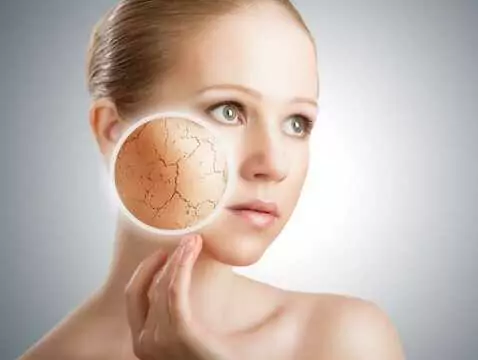
Skin lesions in systemic diseases
Many of us associate diseases such as endocrine disorders or hyperlipidaemias with a variety of symptoms, but only some are aware that skin lesions may even be the first symptom of such conditions....
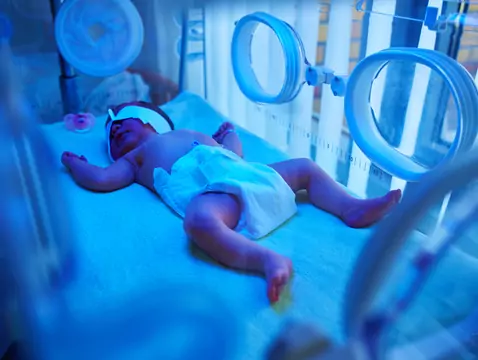
Use of phototherapy in children
Phototherapy is a therapeutic method that has been used successfully for many conditions in the field of dermatology or physical therapy. It has also found its way into other branches of medicine,...

A Spanish invention - a 3D printer that produces human skin
Ordinary printers are devices that are present in many homes. Nowadays, however, 3D printers are becoming popular, thanks to which spatial prints can be obtained. They can be used not only by...
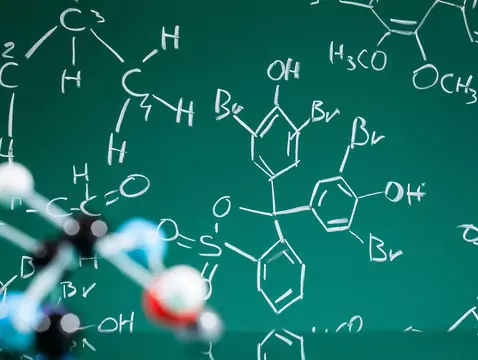
P. acnes and its enzyme - can bacteria protect human skin?
Bacteria are not microorganisms that always cause disease in humans - some of them even have an invaluable function for the human body. While medicine has long been aware of their role in, for...
Skin cancer - we still know very little about it
The skin has many very important functions in the human body. It covers the entire body and has a surface area of approximately 2m2. Unfortunately, both the external factors to which it is exposed...
Psychogenic pruritus: the link between dermatology and psychiatry
Pruritus can be caused by, among other things, liver dysfunction and dermatological conditions such as atopic eczema or psoriasis. Sometimes, however, despite even a very thorough examination of the...

Excessive sweating a sign of serious illness
Sweating is a natural, normal reaction of the body. It is a constant process. Sweat, the secretion of the sweat glands, consists mainly of water, salts, fats, ammonia, minerals, urea, uric acid and...
Purulent bacterial skin diseases caused by staphylococci and streptococci
Healthy skin protects our body against various microorganisms. The basic element of this protection is the epidermis, especially the stratum corneum and the lipid coat on its surface. Additional...

Darier's disease - causes, symptoms, diagnosis, treatment
Darier's disease, otherwise known as Darier's disease, Darier-White disease or keratosis follicularis is classified as a genetic condition (hereditary). It involves not only the skin but also the...
Skin allergies
In allergic diseases, the type of reaction to the allergen in question is of key importance. Many allergic diseases are reflected in the condition of the skin, causing various types of eczema,...

Congenital vascular lesions
Vascular lesions and malformations are congenital lesions of unknown origin, occurring on the skin of the face, the whole body as well as on internal organs. In addition to surgical therapy, which...

Skin lesions - are you at risk?
Skin lesions can become pathological and in any individual favour the development of malignant melanoma. The risk group includes people with a light skin phototype, as well as those with a genetic...

Reversible and irreversible causes of alopecia
Hair loss, due to its various forms and presentations, can affect people of all ages, irrespective of gender. Its causes are important, as some of them, once eliminated, can have a reversible effect,...
Vascular diseases of the skin
Vascular diseases comprise several disease entities, associated with vasculitis of small or large calibre. Lesions in the form of petechial necrotic lesions can affect not only the skin but also...


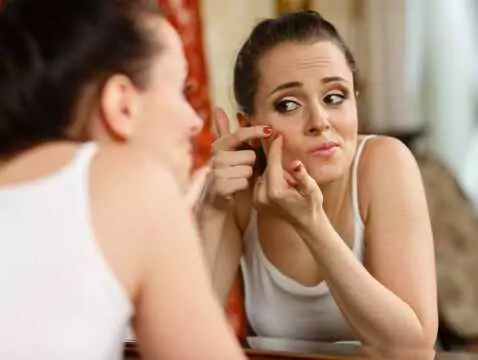
Dermatological symptoms
Dermatological symptoms manifest themselves in the form of skin lesions, known as eruptions. They can be primary, when the appearance of the lesions is the beginning of the development of the disease...
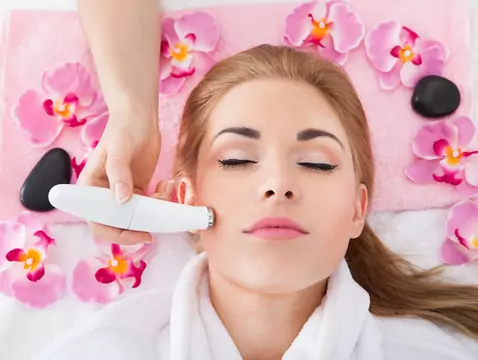
Phototherapy and its application in dermatology
Phototherapy, or light therapy, has found its way into dermatology due to its properties. It is ideally suited to complement therapy in skin disorders. Like any therapeutic method, however, it...
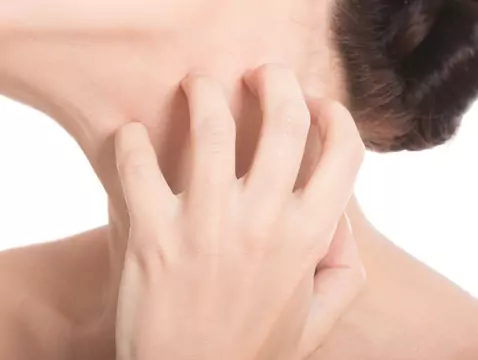
Skin lesions as a manifestation of chronic diseases
Changes that appear on the skin are often not a single symptom, but are indicative of the presence of chronic diseases, including cancer. In many cases, they can contribute to the diagnosis, prior to...

Nevi Part I
Nevi are developmental disorders of the skin. The most common nevi to develop are melanocytic nevi, epidermal nevi, hemangiomas and those arising from the sweat and sebaceous glands. A large...

Nevi Part II
Nevi are developmental abnormalities of the skin. Melanocytic nevi and hemangiomas are largely congenital and increase in size as the child grows. They are mostly benign in nature. Surgical and laser...

Boils - causes, symptoms, diagnosis, treatment
A boil is otherwise known as an inflammatory condition that is located in the vicinity of the hair follicle. The aetiological agent are staphylococcal bacteria. There is an increased risk of...